August 17, 2026
Trailer bearings play an important role in helping a trailer's wheels rotate properly while carrying heavy loads over long distances. When bearings begin to wear, ignoring the problem can lead to more damage, higher repair costs, and unexpected towing issues. This article explains how delayed bearing problems can grow, what warning signs to watch for, and why timely professional attention can help protect the trailer and its connected components.
Understanding How Damage Spreads
A worn bearing does not always remain an isolated problem. As the condition gets worse, continued friction and heat can affect nearby components. A bearing that is allowed to deteriorate may place added stress on the wheel, axle, hub, or other parts of the assembly. This is one reason delaying trailer bearing repair can cost more than addressing the problem when it first appears. A smaller repair may become a more involved repair if damaged components continue operating under load.
The longer the trailer is used with a known bearing problem, the more opportunities there are for related parts to experience unnecessary wear. Damage can also occur when a bearing becomes excessively hot. Heat can affect lubrication and contribute to further deterioration. In more serious situations, a damaged bearing can interfere with proper wheel movement and create a serious towing concern.
Monitoring Heat and Lubrication
Heat is a normal part of bearing operation, but excessive heat can signal a problem. Bearings rely on proper lubrication to reduce friction and help manage operating temperatures. When lubrication breaks down, becomes contaminated, or is not present in the needed amount, friction can increase. A gradual increase in heat may not seem serious at first. Yet continued operation under those conditions can accelerate wear. Regular inspections can help identify issues with lubrication, bearing condition, and related components before they become more costly problems.
Water and road debris can also contribute to bearing deterioration. Trailers may encounter rain, standing water, dirt, and other conditions during normal use. Over time, contamination can affect the bearing and its surrounding components. Professional inspection can help determine whether a bearing problem is related to wear, contamination, lubrication, damage, or another issue. Addressing the underlying cause is important because simply overlooking the condition can allow it to return or become worse.
Evaluating Towing Conditions
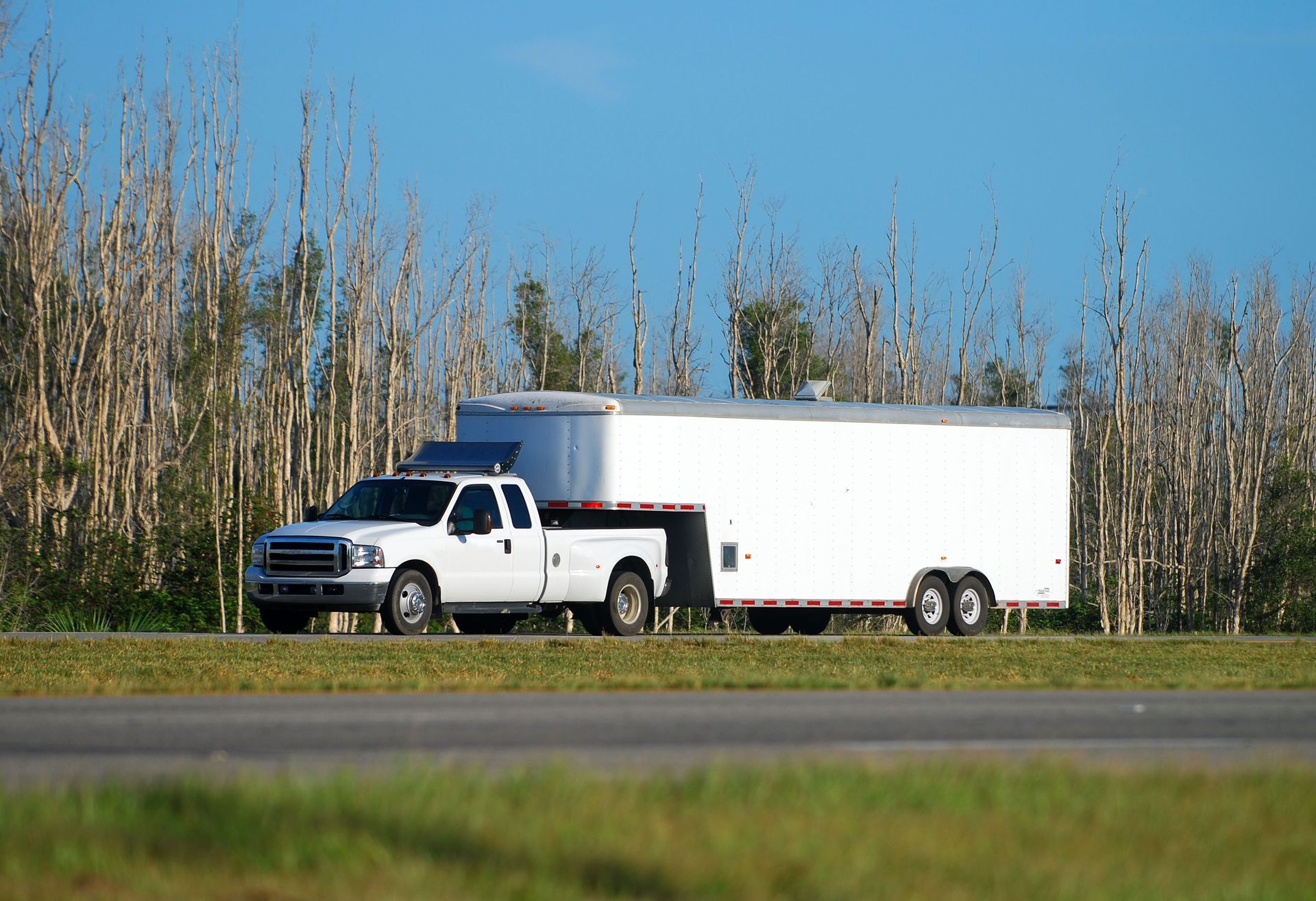
The conditions under which a trailer operates can affect how much stress its bearings experience. Heavy loads, frequent travel, long distances, rough roads, and repeated stops can all place additional demands on the wheel assemblies. Proper load management is also an important part of responsible towing. According to Good Sam, your vehicle's maximum towing capacity must exceed your trailer's gross vehicle weight rating and maintain a 10 to 20% safety margin. Staying within appropriate towing limits can help reduce unnecessary strain on the vehicle and trailer.
The type of use matters as well. A trailer that travels frequently may experience bearing wear sooner than one that is used only occasionally. This does not mean occasional use eliminates the need for inspection. Bearings can still develop problems while a trailer is sitting unused, especially when moisture, contamination, or age affects surrounding components. Understanding how a trailer is used can help determine when professional inspection may be appropriate. A qualified technician can evaluate the condition of the wheel assembly and identify concerns that may not be obvious during normal towing.
Considering the Cost of Delays
The cost of addressing a developing bearing problem is often easier to manage when the issue is caught early. Delaying trailer bearing repair may allow a worn bearing to damage nearby components, turning a relatively limited concern into a larger repair. There can also be indirect costs associated with waiting. A trailer that develops a serious wheel problem while being used may need to be taken out of service unexpectedly. This can interfere with transportation plans, work schedules, deliveries, or other activities that depend on the trailer.
Unexpected repairs can also make budgeting more difficult. Planned maintenance allows trailer owners to address concerns before they become urgent. When a problem is ignored until a failure occurs, there may be fewer options for scheduling the work around existing plans. Seeking professional help when early warning signs appear can reduce the chance of allowing a small concern to develop into a more complicated situation. Timely attention can also provide a clearer understanding of the trailer's overall condition.
Protecting Connected Components
Trailer bearings work as part of a larger wheel assembly. Their condition can affect how other components function. When a bearing becomes worn, excessive movement, friction, or heat may place additional stress on nearby parts. This can create a chain of problems. A damaged bearing may affect the hub or other wheel components, while excessive heat can contribute to further deterioration. If the issue continues without attention, more parts may require inspection or replacement.
Keeping the entire assembly in good condition is more practical than waiting for a major failure. Professional inspections can identify wear that may not be visible from outside the trailer. They can also help determine whether related components have been affected. This approach is especially important when a trailer is used to carry significant loads. The added weight increases the importance of maintaining the wheel assemblies in proper working condition.
Preparing for Longer Trips
Long-distance towing places continuous demands on trailer components. A bearing that seems to be functioning adequately during a short trip may become a bigger concern when exposed to hours of operation, higher temperatures, and extended road use. Before a long trip, it is worth paying attention to any changes in wheel noise, heat, movement, or other unusual behavior. Trailer owners who have noticed warning signs should seek professional help before putting additional miles on the trailer.
A professional inspection can provide an opportunity to identify developing issues before a longer journey. This can help reduce the possibility of an unexpected mechanical problem while the trailer is away from its normal service area. Preparation is particularly valuable when a trailer will be carrying a heavy load. Confirming that the trailer and tow vehicle are appropriate for the intended load and addressing known maintenance concerns can help support safer towing conditions.
Scheduling Needed Repairs
Timely maintenance is one of the simplest ways to limit the impact of bearing wear. Trailer owners should pay attention to warning signs and have concerns evaluated rather than waiting for a noticeable failure. Trailer bearing repair may be needed when bearings show signs of excessive wear, damage, overheating, contamination, or other problems. The appropriate repair depends on the condition of the components and the cause of the issue.
Professional technicians can inspect the affected area and determine what needs attention. They can also look for related problems that could contribute to continued wear. This type of evaluation can help prevent a trailer owner from addressing only the visible symptom while overlooking another underlying concern. Regular inspection can also be useful for trailers that are used frequently or under demanding conditions. Keeping track of maintenance needs gives owners a better opportunity to address developing problems before they interfere with normal trailer use.
Delaying trailer bearing repair can turn a manageable concern into a more expensive repair. Continued use of damaged bearings can increase wear on nearby components and lead to downtime, towing issues, and unexpected costs. Addressing warning signs early can help keep repairs more manageable and maintenance more predictable. Trailer owners should seek professional help when they notice unusual noises, excessive heat, visible damage, or changes in wheel behavior. If your trailer shows signs of bearing wear, contact Pearson's Trailer Parts & Repair Co., Inc today to discuss your trailer bearing repair needs and get professional assistance.